

Blue Carbon Ocean Alkalinity Enhancement
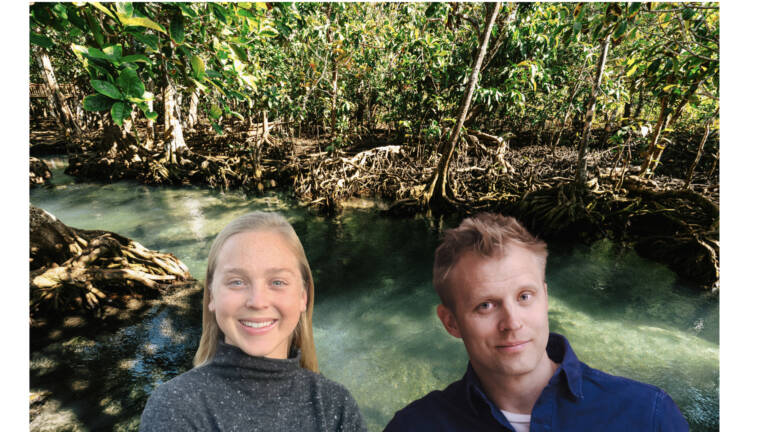
CarbonFix cohort
Type
Founders
Type of intervention
About this project
Blue Carbon Ocean Alkalinity Enhancement is an initiative working to quantify how much CO2 mangroves help to sequester.
Mangroves help absorb and lock CO2 up in a durable form. They also improve coastal storm resilience and protect marine ecosystems. But right now, around 75% of restoration projects fail because there is no ongoing financial incentive to maintain them or pursue the restoration best for the local conditions
Blue Carbon Ocean Alkalinity Enhancement, an initiative from Yale’s Center for Natural Carbon Capture, wants to change that. Models predict that around half of the CO2 sequestration around mangroves comes from the alkalinity they produce. The team wants to collect more real-world data that can draw funding from the carbon markets to mangrove projects.
They have already started collecting their first datasets in the US and will be expanding to sites in Mexico and India. They believe that tracking alkalinity could impact mangrove funding as soon as 2027.
Founder Q & A
(This is a short excerpt – find the full Q&A here!)
Q: Can you explain the project in simple terms?
Noah: Blue carbon ecosystems, especially mangroves, have tremendous capability to remove atmospheric CO2 while also being one of the most obvious examples where carbon removal helps communities. They provide coastal resiliency and preserve marine ecosystems.
We know there’s tremendous potential for restoration, but we’re not doing a great job of meeting that. The goal of our project is to valorize some of the carbon fluxes that aren’t being quantified in current protocols.
Q: How do mangroves increase alkalinity?
Noah: Think of them as bio-reactors doing the same processes we’re doing in industrialized carbon removal technologies. They’re creating the ideal conditions to dissolve calcium carbonate. Calcium carbonate doesn’t dissolve in surface ocean waters, but mangroves create environments in sediments where you can have extensive dissolution. That takes up the CO2 and mineralizes it, so it’s locked away.
Q: What will the Carbon Fix funding cover?
Gabriella: We’ve done a lot of reconnaissance compiling existing mangrove restoration projects. We just had an initial site visit with a partner in Mexico — we’re targeting that as maybe the first location to roll out these measurements.
Noah: It’s definitely not going to be focused only in the Americas. We have partnerships in India, and Indonesia is really interesting — they’ve just created a framework at the federal level for how carbon markets can benefit the federal government, local communities, and project developers. That’s an area with really massive potential.