Sixteen44 have figured out a way to capture low-concentration methane anywhere
25/08/2026
Methane is incredibly potent: up to 82.5x more potent than CO2 across a 20 year time period. But only a tiny fraction is captured, due to the difficulty of capturing it at low concentrations. Sixteen44, founded by William Ramsay, Mario Michan, and Nelson Dumas, have found a clever, energy-efficient way to do that – and their idea could be a gamechanger.
1. Can you explain your project to me in simple terms?
William: Until now, there weren’t any energy-efficient technologies that could capture or convert methane at low concentrations.
We invented a process that uses advanced oxidation to break methane down into CO2 and water that uses far less energy than competitors. It looks like a big filter. And before you say: wait, you’re taking one greenhouse gas and producing another greenhouse gas… when you remove one ton of methane, it has the climate impact of removing ~80 tons of CO2 equivalent. So by converting methane to CO2, we still have a >90% reduction in the overall global warming potential.
2: How did you get here?
Mario: I founded a company called Daphne Tech to work on heavy industry air pollution, and William joined in 2019. We looked at sulphur, sulphur oxides, and nitrogen oxides. Since 2020 we’ve been focusing on methane.
We discovered that only 3% of methane emissions are captured worldwide. If we can capture and convert more methane, we can have an outsize impact on climate.
3: What’s different about your approach compared to competitors?
Mario: The problem with methane is that all the emissions below a concentration of 5% are simply not addressed. That means all the methane that’s not oil and gas-related.
There are a few technologies to remove low-concentration methane, but they usually require significant amounts of energy to destroy that methane. For example: they heat it up to 600°C, or use a catalyst and then to heat it to 450°C.
By contrast, the catalyst we’ve developed only requires 40-100°C, one order of magnitude lower! Our device is also 99% more compact than alternatives that use chlorine to break down methane.
The other big benefit of our process is that we can address methane from cows without touching the cow. Until now, the only options were giving additives for cows to reduce the methane in their burps, but these make the cows produce less milk. Likewise, rice paddies are a big agricultural source of methane, and you can dry the soil out periodically to cut methane production, but that’s just a workaround and can affect crop yield.
Our technology allows us to go to landfill where methane is just seeping out of the ground. It allows us to go to wastewater treatment plants. Our tech opens up a whole field that isn’t explored.
4. What stage are you at in the process today?
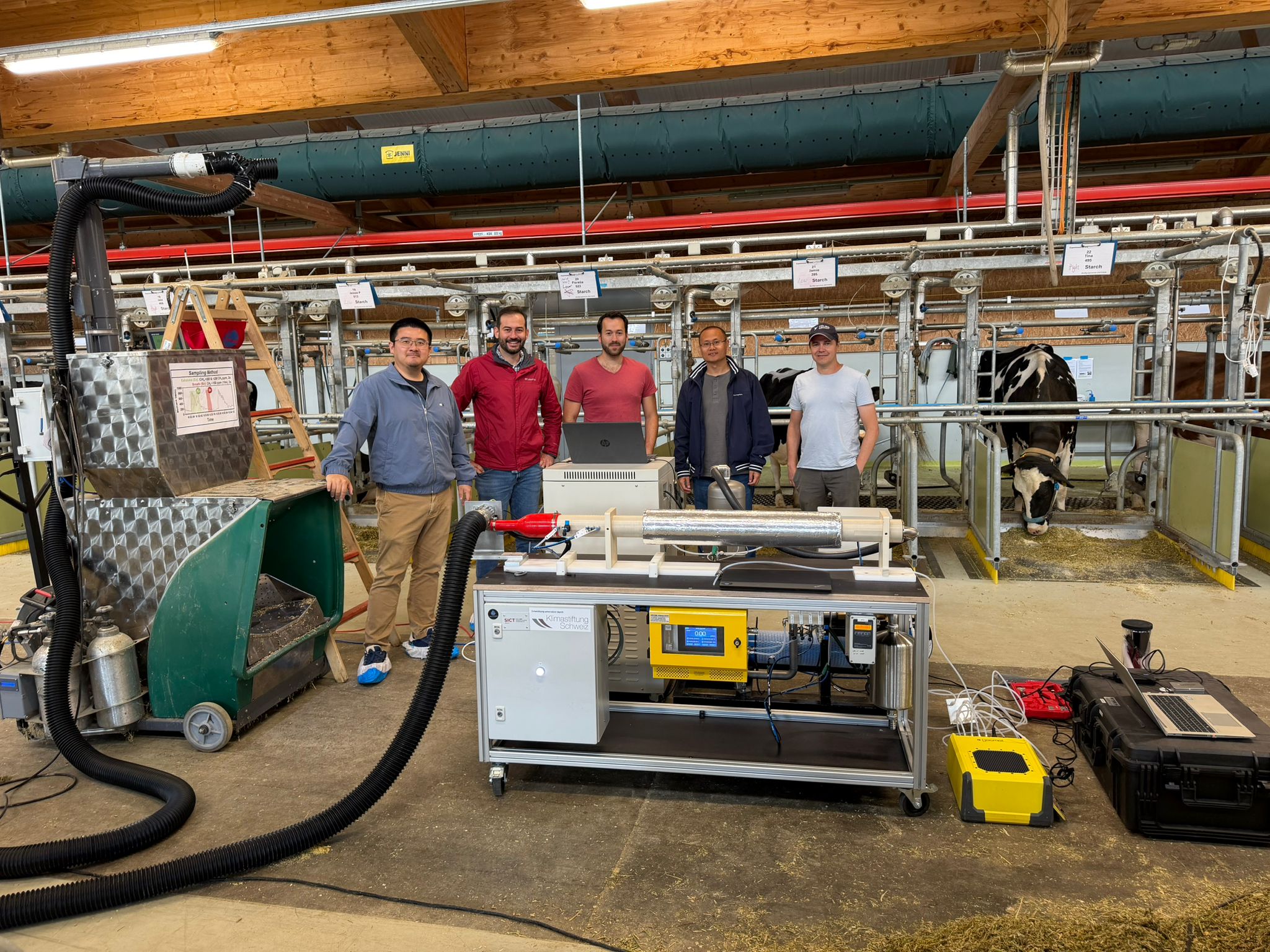
William: We recently did a demonstration at a dairy farm here in Switzerland. We built a prototype and showed that we can reduce the methane by 60-70%. We showed we can reduce methane in the barn air that was released from the cows.
Mario: The technology works. The next step is a long term deployment to put it in the field and work for months. We have an LOI for one deployment in Madisonville, Texas. And we have other discussions with wastewater treatment plants. We also have potential leads with Swiss farms.
5: What’s your business model?
William: We sell, lease, or provide a service level agreement for our methane removal reactors. Where applicable, we’ll generate methane removal credits to offset project costs.
6: What will CarbonFix’s investment enable you to do?
William: It will go 100% into product development and the field trials. We’re working on making something that runs longer in the field.
CarbonFix’s contribution will also help us get certified methane credits, same as carbon credits. We’re working with One Shot Earth, one of the interesting registries that’s looking at short-lived super-pollutants, including methane.
7: What are you most proud of?
William: One thing is the farm pilot. There are a thousand things that can go wrong when you take something from the lab and into the field. So the fact it worked is huge.
8: What are the hardest obstacles to scaling?
William: Adoption. A lot of industries release methane, but not many know how much they’re releasing. It’s invisible, it’s odorless. You need to rely on satellite data to see plumes of methane released into the air. You see it on the news every now and then… but no one does much about it.
I think the hardest obstacle is education. Everyone has heard about CO2 for two decades, but methane is the new, bigger villain people don’t understand as well. And most people are contributing to methane emissions without realizing it, but at least there’s something that can be done about it.
9: What will you do with CarbonFix’s money?
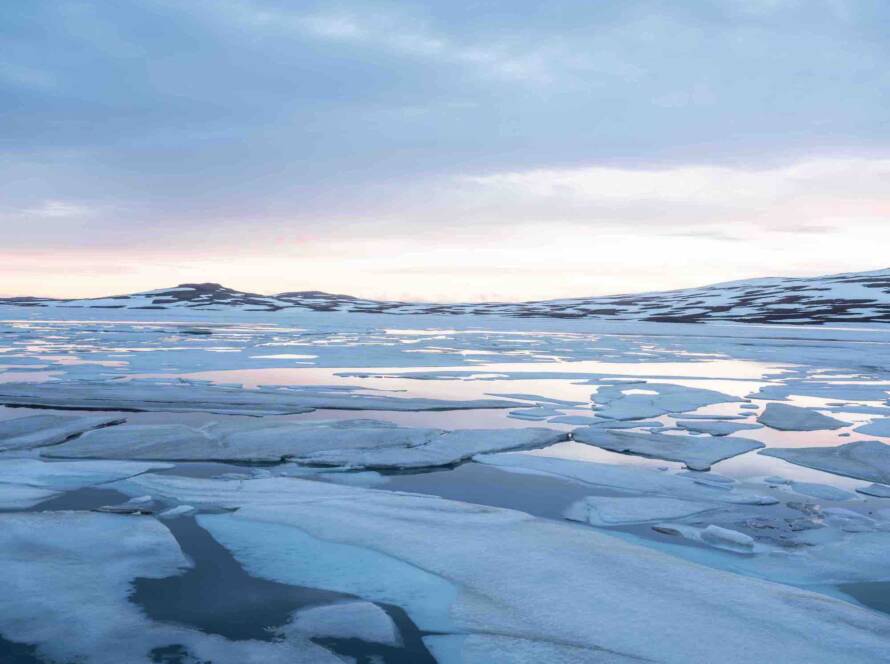
Mario: We need someone who is going to step up and pay for it. Who is going to pay the real cost of this? Europe is taking real action here through things like CBAM (The EU Carbon Border Adjustment Mechanism) because they recognize they’re already paying the cost, with heatwaves and so on. Canada and Russia are paying the price of having a lot of sinkholes in the Arctic permafrost, so they should be motivated to do something.
Global warming doesn’t help dairy farmers as cows actually produce a lot more milk in cold weather. But that’s too abstract for farmers. It’s not enough motivation.
So we need to find someone who wants to bear the cost, whether it’s a government, a software company, or the bank. And that might not happen until companies really start to feel the effects of this. Once they understand how climate change hits the bottom line, budgets open up, because for large corporations, everything is about managing risk.
10: What’s your vision for the future?
Mario: Sixteen44 needs to exist for decades. Reducing and removing methane will still matter in 40 years from now.
William: We want to see the climate curves bend for the first time since we’ve been watching them grow exponentially. And we’d like to say we helped those curves move in the right direction.